Swimming for Digital Nomads: How to Stay Fit While Traveling
Discover swimming workouts for digital nomads and learn how to stay fit, build endurance, and maintain a healthy routine while traveling.
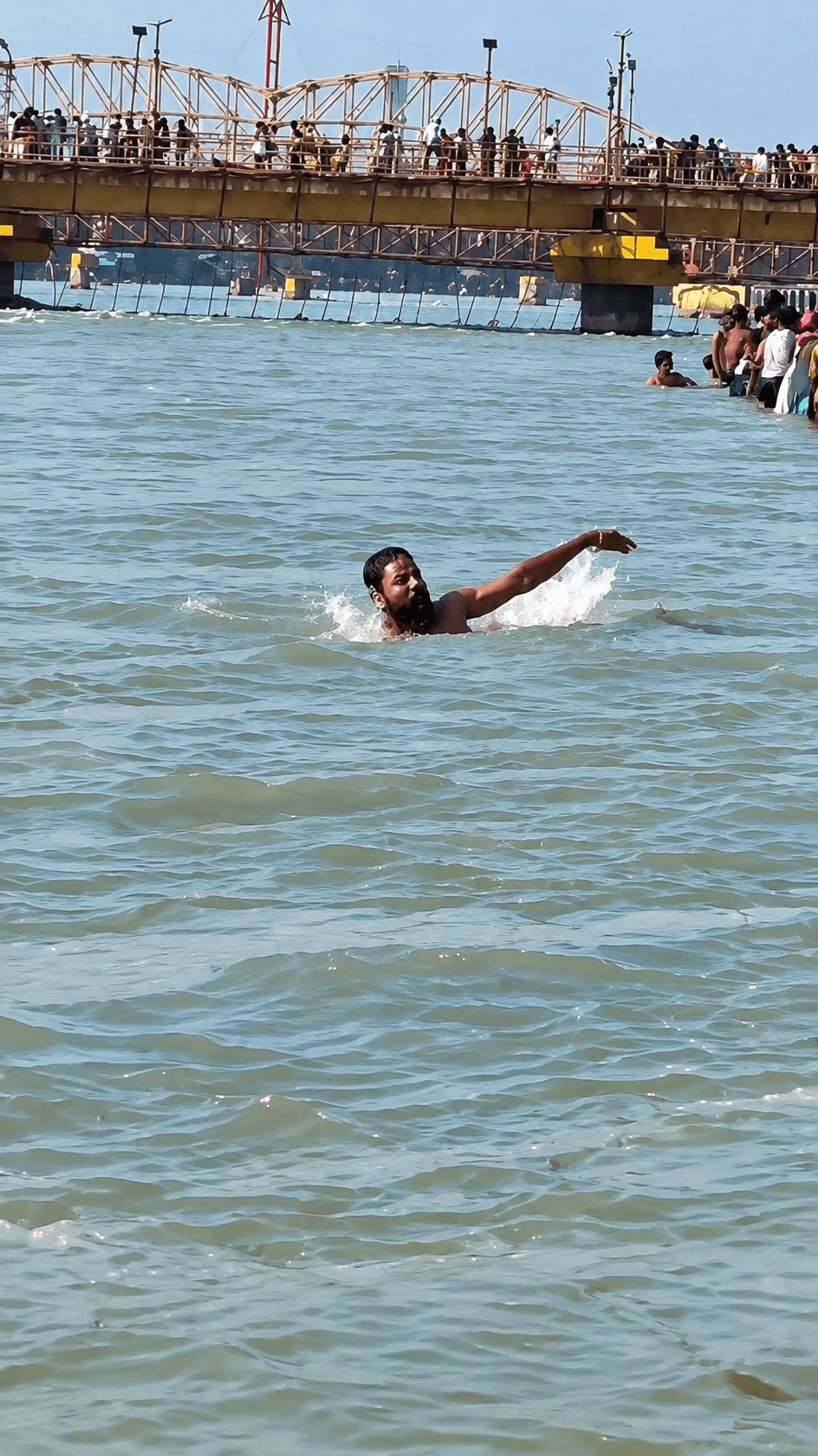
The digital nomad lifestyle offers the freedom to work from almost anywhere in the world. One week you might be working from a mountain town, the next from a beach destination or a vibrant international city. Every new destination brings opportunities to explore, meet people and experience different ways of life.
But there is one challenge that many digital nomads face: maintaining a healthy and active lifestyle while constantly travelling.
Changing destinations, long journeys, unpredictable schedules and limited access to gyms can make regular exercise difficult. When your office is wherever your laptop happens to be, finding time for fitness requires flexibility.
What if your next workout could become part of your travel experience?
Swimming for digital nomads offers an enjoyable way to combine physical activity, cardiovascular fitness and relaxation without depending on a traditional gym. Whether you have access to a hotel pool, a public swimming facility or a suitable supervised open water location, swimming can become a valuable part of your travel fitness routine.
During my journey through the breathtaking landscapes of Uttarakhand, India, on the way towards the sacred Kedarnath Temple, I experienced something truly unforgettable: swimming in the mighty River Ganga.
That experience reminded me that travel is not just about reaching destinations. It is also about embracing experiences, discovering new perspectives and finding opportunities to stay active along the way.
At NomadLifeXP, we believe in evolving through movement, exploration and mindful living.
Let's discover why swimming deserves a place in your digital nomad lifestyle, explore practical swimming workouts for travelers and learn how to maintain fitness wherever your journey takes you.
1. Why Swimming Is Ideal for Digital Nomads
Traditional fitness routines often depend on familiar surroundings, fixed schedules and access to equipment. Travelling challenges all three.
You might have access to a swimming pool at your accommodation in one destination, discover a public aquatic centre in another and spend the following week somewhere without swimming facilities.
Swimming offers flexibility because it can be adapted to different locations, schedules and fitness levels.
Here are some reasons to consider adding swimming to your travel fitness routine:
- Flexible exercise: Swim before remote work, during a break or after exploring your destination.
- Minimal equipment: A swimsuit and goggles are often enough for a basic pool session.
- Full body movement: Swimming engages the arms, shoulders, back, legs and core.
- Cardiovascular fitness: Regular swimming can contribute to aerobic endurance.
- Mental relaxation: Time in the water offers a refreshing break from screens and work related distractions.
- Travel experiences: Discover local swimming facilities and enjoy different aquatic environments.
The real advantage is adaptability. Instead of allowing travel to interrupt your fitness routine, you can adjust your routine to fit your journey.
2. Swimming Benefits for Digital Nomads
Swimming is more than a recreational activity. When practised regularly and at an appropriate intensity, it can support several aspects of physical fitness and wellbeing.
Cardiovascular endurance
Swimming is an aerobic activity that challenges your heart and lungs. Maintaining a comfortable swimming rhythm over time can help develop cardiovascular endurance.
For digital nomads who spend extended periods sitting at a desk, incorporating regular aerobic exercise is a valuable way to balance a more sedentary working routine.
A full body workout
Swimming involves coordinated movements across multiple muscle groups.
Freestyle combines alternating arm movements with continuous kicking. Breaststroke involves coordinated arm and leg actions, while backstroke challenges coordination and body control.
Different strokes offer variety and help make swimming a versatile exercise.
Low impact movement
Water provides buoyancy, reducing the amount of body weight your joints need to support during movement.
This makes swimming a useful lower impact exercise option for many people who want an alternative to running or other high impact activities.
However, low impact does not mean risk free. Proper technique, appropriate intensity and gradual progression remain important.
Mental relaxation and a break from screens
The digital nomad lifestyle can involve constant planning, deadlines, changing environments and hours of screen time.
Swimming provides an opportunity to disconnect temporarily and concentrate on breathing, movement and rhythm.
This change of environment can be refreshing, particularly when you spend much of your working day in front of a laptop.
Variety in your fitness routine
Repeating the same workout can become monotonous, especially when travelling.
Swimming adds variety and can complement walking, hiking, yoga and strength exercises.
The objective is not to make swimming your only form of exercise. It is to use it as one component of a balanced, active lifestyle.
3. Swimming as a Full Body Workout: Which Strokes Should You Try?
Different swimming strokes place different demands on your body. Understanding their characteristics can help you choose an appropriate workout.
- Freestyle: Also known as front crawl, freestyle is a popular choice for developing swimming endurance. It combines alternating arm movements, kicking and rhythmic breathing.
- Breaststroke: This stroke involves simultaneous arm movements and a coordinated leg kick. It can be useful for practising controlled movement, although proper technique is important.
- Backstroke: Swimming on your back involves alternating arm movements and kicking. It provides variety and challenges coordination.
- Butterfly: This technically demanding stroke requires considerable coordination, strength and timing. Beginners should learn it with qualified instruction.
You do not need to master every stroke to benefit from swimming. Start with a style you can perform comfortably and focus on developing confidence, breathing and technique.
4. Swimming Workouts for Travelers: Three Practical Routines
One of the biggest barriers to travel fitness is time.
You might have only 20 minutes before an online meeting or a short window between sightseeing and dinner.
The solution is to have workouts of different lengths that you can adapt to your ability.
The following routines are designed for suitable swimming pools and assume that you can already swim confidently. Beginners should prioritise supervised instruction and water confidence.
Beginner workout: 20 minutes
Objective: Build confidence and develop a comfortable swimming rhythm.
- 5 minutes: Gentle warm up and easy swimming.
- 5 minutes: Comfortable swimming with rest breaks.
- 5 minutes: Practise controlled breathing and basic technique.
- 5 minutes: Relaxed swimming and cool down.
Take additional rest whenever necessary. If you are still learning to swim, focus on instruction rather than completing a timed workout.
Intermediate workout: 30 minutes
Objective: Develop aerobic endurance and practise changes of pace.
- 5 minutes: Easy warm up.
- 10 minutes: Comfortable swimming, with breaks if needed.
- 10 minutes: Alternate 1 minute of moderately paced swimming with 1 minute of relaxed swimming.
- 5 minutes: Gentle swimming and cool down.
Adjust the intervals to your fitness level. There is no need to swim at maximum speed.
Quick travel workout: 15 minutes
Objective: Maintain consistency when your schedule is busy.
- 3 minutes: Easy warm up.
- 8 minutes: Comfortable swimming, taking short rests when needed.
- 4 minutes: Relaxed swimming and cool down.
A short session is still worthwhile. You do not need an intense workout every time you enter the pool.
5. Pool Swimming vs Open Water Swimming: What Should Travelers Choose?
Swimming opportunities vary considerably between destinations. Understanding the difference between pool swimming and open water swimming helps you make better decisions.
| Pool swimming | Open water swimming |
|---|---|
| Controlled environment | Natural conditions can change |
| Usually predictable depth | Depth can vary considerably |
| Easier to practise technique | Requires environmental awareness |
| Suitable for structured workouts | Requires additional safety preparation |
| Often has supervision and facilities | Supervision varies by location |
For regular fitness training, a properly maintained swimming pool is generally the more predictable option.
Open water swimming can offer a different experience, but it requires additional preparation, knowledge of local conditions and appropriate safety support.
Never assume that a beautiful river, lake or beach is automatically safe for swimming.
6. A Weekly Swimming and Travel Fitness Schedule
Consistency matters more than trying to complete an exhausting workout whenever you find a swimming pool.
Here is an example of how digital nomads can combine swimming with other activities during a typical travel week.
| Day | Activity | Main focus |
|---|---|---|
| Monday | 25 minute swim | Cardiovascular fitness |
| Tuesday | Bodyweight exercises | Strength |
| Wednesday | Walking and yoga | Mobility |
| Thursday | 30 minute swim | Endurance |
| Friday | Bodyweight exercises | Muscle conditioning |
| Saturday | Hiking or exploring | Active travel |
| Sunday | Rest or gentle stretching | Recovery |
This is a flexible example, not a compulsory training prescription. Adjust it according to your experience, schedule and recovery.
The World Health Organization recommends that adults aim for 150–300 minutes of moderate intensity aerobic physical activity per week, or an equivalent amount of vigorous activity, alongside muscle strengthening activities on at least two days per week.
Swimming can contribute to your aerobic activity, but it does not replace the need to include appropriate strength exercises.
Read the World Health Organization's physical activity recommendations.
7. How to Stay Fit While Traveling Without a Gym
Not every destination has a swimming pool.
You might be staying in a small apartment, working from a guesthouse or travelling between locations where exercise facilities are unavailable.
That does not mean your fitness routine has to stop.
Combine swimming with other accessible activities.
- Walking: Explore neighbourhoods, markets and cultural attractions on foot.
- Hiking: Discover suitable trails and combine sightseeing with physical activity.
- Yoga: Practise mobility, balance and controlled breathing, even in a small accommodation space.
- Bodyweight exercises: Squats, push ups, lunges and planks require little or no equipment.
- Stretching and mobility: Include movement breaks during long working sessions and after extended journeys.
A useful habit is to plan your exercise around your travel day rather than expecting every day to look the same.
After a long flight, a gentle walk and mobility session might be more appropriate than an intense swimming workout.
After several days of remote work, a comfortable pool session can provide a refreshing change of pace.
The key is to remain active without turning fitness into another source of travel stress.
8. Swimming in the Sacred River Ganga: A Memorable Uttarakhand Experience
Some travel experiences stay with you long after the journey ends.
During my journey through Uttarakhand, India, on the way towards the sacred Kedarnath Temple, I experienced an unforgettable moment swimming in the mighty River Ganga.
Surrounded by the remarkable Himalayan landscape, this experience became one of the memorable moments of my journey.
The River Ganga is not simply another river. It holds immense spiritual, cultural and historical significance in India and is deeply respected by millions of people.
Experiencing this part of Uttarakhand offered another perspective on the relationship between nature, spirituality, travel and personal exploration.
For me, the moment also represented the spirit of the digital nomad lifestyle: the freedom to explore, discover and embrace experiences beyond familiar routines.
Suggested video caption: An unforgettable swimming experience during my journey through Uttarakhand, India, towards the sacred Kedarnath Temple. A reminder that travel is about more than destinations; it is about experiences, exploration and personal growth.
It is important to distinguish a memorable travel experience from a recommendation that everyone should repeat.
Natural rivers are not swimming pools. Currents, underwater obstacles, changing water levels, weather and water quality can create serious hazards.
The Ganga should never be assumed safe for swimming at every location or time. Follow local restrictions and guidance, and choose only locations officially designated as suitable for swimming.
This experience is a reminder to explore responsibly, respect local culture and appreciate nature without underestimating its power.
9. Open Water Swimming Safety: What Travelers Must Know
Swimming in a controlled pool and swimming in a natural body of water are very different experiences.
Rivers, lakes and coastal waters can contain hazards that are not immediately visible.
Before considering an open water swim, follow these precautions:
- Check official local advice: Look for swimming restrictions, safety notices and water quality warnings.
- Understand water conditions: Currents, sudden changes in depth and underwater obstacles can be dangerous.
- Never swim alone: Choose supervised locations and follow qualified local guidance.
- Avoid unfamiliar fast flowing rivers: A calm looking surface does not mean the current is safe.
- Check the weather: Rain and storms can rapidly change natural water conditions.
- Avoid contaminated water: Stay out if there are official warnings or signs of pollution.
- Do not swallow natural water: It may contain microorganisms that can cause illness.
- Respect your swimming ability: Do not attempt unfamiliar distances or challenging conditions.
The US Centers for Disease Control and Prevention provides practical advice on how to safely visit oceans, lakes and rivers.
If a location is not officially suitable for swimming, enjoy it from a safe viewing area instead.
Responsible exploration is part of a healthy travel lifestyle.
10. Essential Swimming Gear for Digital Nomads
One advantage of swimming is that you do not need to carry an entire gym in your luggage.
A few practical essentials can make swimming sessions more comfortable.
- Swimsuit: Choose comfortable swimwear suitable for your swimming environment.
- Swimming goggles: Improve underwater visibility and make pool sessions more comfortable.
- Swimming cap: Useful where swimming facilities require one.
- Microfibre towel: A compact option for travellers looking to save luggage space.
- Waterproof bag: Keep wet swimwear separate from your clothes, laptop and other belongings.
- Reusable water bottle: Maintain normal hydration around exercise.
- Waterproof sunscreen: Useful for suitable outdoor swimming environments.
For open water swimming, additional visibility and safety equipment may be necessary. Follow local recommendations and qualified professional guidance.
Pack according to your travel plans. The best travel fitness equipment is equipment you will actually use.
11. How to Build a Consistent Swimming Habit While Travelling
Finding a swimming pool is only the first step. Building a habit that survives changing destinations is the real challenge.
Here are six practical strategies.
- Research before arriving. Check for reputable public swimming pools, aquatic centres and suitable hotel facilities.
- Schedule realistic sessions. Put swimming into your calendar just as you would an important work commitment.
- Start with manageable goals. Two short sessions per week can be a useful starting point for many beginners.
- Track your progress. Record your session duration, distance where relevant and how comfortable the workout felt.
- Allow recovery. Avoid increasing your training volume too quickly. Rest is part of sustainable fitness.
- Have an alternative. If swimming facilities are unavailable, use walking, yoga or bodyweight exercises.
Consistency does not mean doing the same workout every day. It means maintaining an active lifestyle even when your surroundings change.
12. Swimming and the NomadLifeXP Philosophy: Evolve in Motion
The digital nomad lifestyle is about more than changing your office location.
It can be an opportunity to explore new environments, challenge familiar habits and create a more intentional way of living.
Swimming represents this philosophy through movement.
It gives you a reason to step away from your screen, develop physical fitness and experience your surroundings differently.
One day, your workout might take place in a city swimming pool. Another day, you might discover a beautiful coastal destination or find a suitable aquatic centre in a new country.
Not every destination offers the same opportunities, and that is part of the adventure.
At NomadLifeXP, we believe that fitness, yoga, mobility, discipline and mindful living can help create a more balanced location independent lifestyle.
You do not need perfect conditions to begin. You need a realistic plan, a willingness to adapt and the discipline to keep moving.
Conclusion: Make Swimming Part of Your Digital Nomad Journey
Swimming for digital nomads is an opportunity to combine physical activity, exploration and personal wellbeing while experiencing the world.
From cardiovascular endurance and full body movement to a refreshing break from remote work, swimming can become a valuable part of a balanced travel fitness routine.
With practical swimming workouts for travelers, a flexible weekly schedule and responsible water safety habits, you can maintain an active lifestyle without depending entirely on traditional gyms.
My experience in Uttarakhand, during the journey towards Kedarnath and my memorable encounter with the sacred River Ganga, reminded me that some of the most meaningful travel moments happen when we step beyond familiar routines.
Travel is not only about the places we visit. It is also about the experiences we embrace and the ways we grow along the journey.
Keep exploring. Keep moving. Keep evolving.
Explore NomadLifeXP for more inspiration on fitness, yoga, mobility, mindful living and personal growth.
NOMADLIFEXP — Beyond Destinations. Into Experiences.
Frequently Asked Questions About Swimming for Digital Nomads
1. Is swimming good for digital nomads?
Yes. Swimming can be a practical way to maintain cardiovascular fitness and engage multiple muscle groups while travelling. It also provides an opportunity to take a break from extended periods of screen based work.
2. What are the best swimming workouts for travelers?
Beginner friendly sessions can combine easy swimming, technique practice, short intervals and a relaxed cool down. A 15–30 minute session can be a useful starting point, depending on your swimming ability.
3. How often should digital nomads swim?
This depends on your experience, fitness level and recovery. Two or three manageable sessions per week may be a realistic starting point for some travellers. Combine swimming with strength training and other physical activities.
4. Can swimming replace a gym workout while travelling?
Swimming provides an effective aerobic workout and engages many muscle groups, but it does not fully replace resistance training. Combine swimming with bodyweight exercises or other suitable strength activities for a balanced routine.
5. Can beginners start swimming while travelling?
Yes. Beginners should learn in a supervised swimming pool with qualified instruction. Develop water confidence, breathing and technique before attempting longer sessions or open water swimming.
6. Is swimming in rivers safe for digital nomads?
Not automatically. Rivers can contain strong currents, unpredictable depths, underwater obstacles and harmful microorganisms. Check local guidance and water quality information, respect restrictions and avoid unfamiliar or unsupervised locations.
7. What should digital nomads pack for swimming?
A swimsuit, goggles, swimming cap, compact towel, waterproof bag and reusable water bottle are useful essentials. Open water activities may require additional safety equipment.
8. How can I stay fit when my destination has no swimming pool?
Combine walking, hiking, yoga, stretching and bodyweight exercises. Having alternative activities helps you maintain consistency even when swimming facilities are unavailable.
Join the NomadLifeXP Community
Would you include swimming in your digital nomad fitness routine?
And inspired by my Uttarakhand journey:
Would YOU dare to swim in the sacred River Ganga? 🇮🇳🌊
Share your thoughts and travel fitness experiences in the comments.
Explore more. Move more. Evolve in motion.
NomadLifeXP — Beyond Destinations. Into Experiences.
Related Articles
Digital Nomad Fitness: Stay Strong Anywhere
Stay fit while traveling as a digital nomad with adaptable workouts, bodyweight exercises, strength training, mobility, and practical recovery habits.
How to Build a Workout Habit That Outlasts Your Motivation
Build lasting workout habits without relying on motivation. Learn practical ways to create routines, reduce friction, and stay consistent every day.
Fitness Consistency: How to Build Workout Discipline That Lasts
Build a consistent workout routine, develop lasting fitness discipline, and make steady progress even when motivation fades or workouts aren't perfect.
Yoga for Digital Nomads: Stay Fit, Grounded & Energized Anywhere
Discover how yoga helps digital nomads improve mobility, manage travel stress, support recovery, and maintain physical balance through movement and breath.
Indoor Rock Climbing: Strength, Balance & Mental Resilience
Discover how indoor rock climbing develops strength, balance, coordination, focus, and mental resilience through movement and problem-solving.