Digital Nomad Fitness: Stay Strong Anywhere
Stay fit while traveling as a digital nomad with adaptable workouts, bodyweight exercises, strength training, mobility, and practical recovery habits.
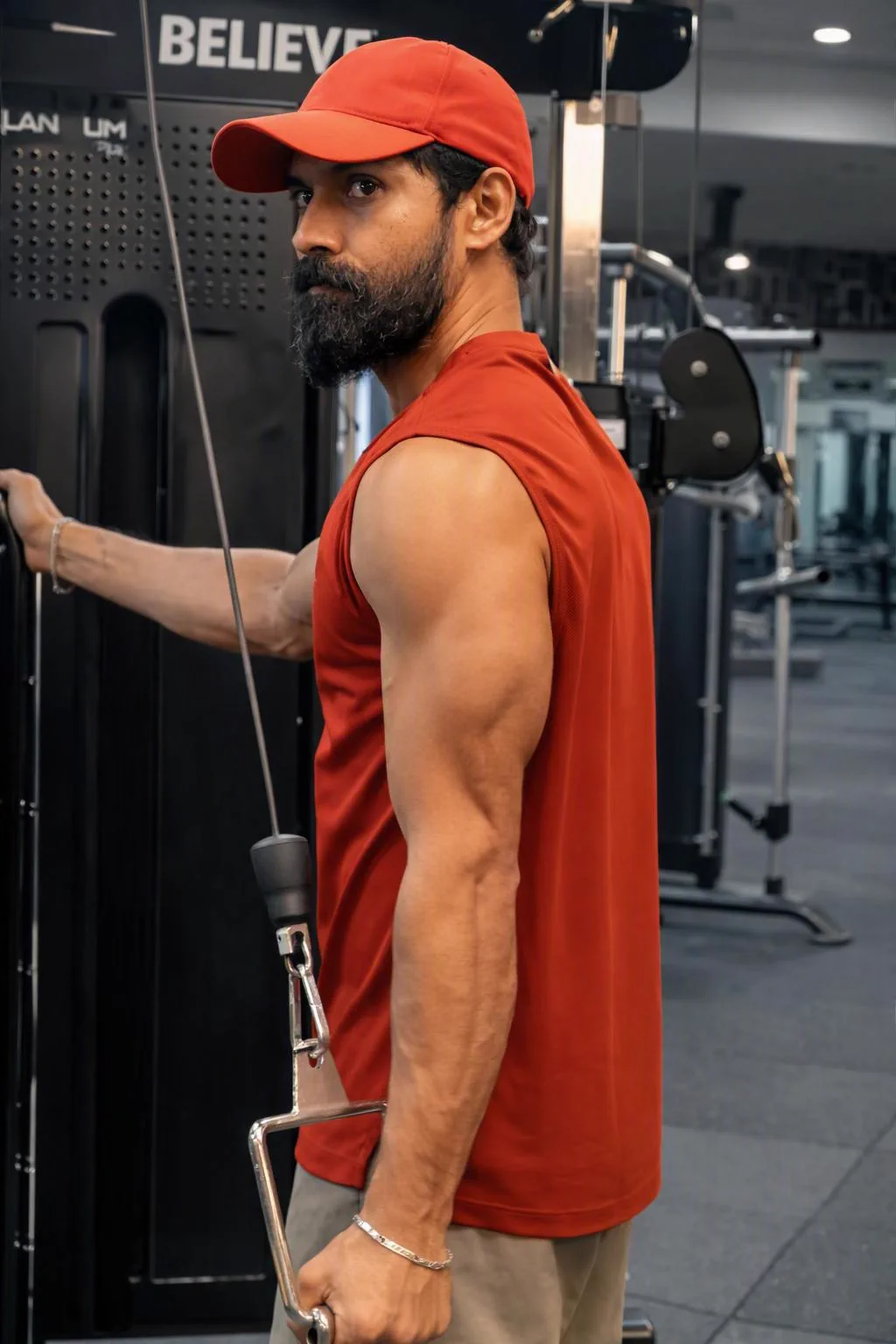
Digital Nomad Fitness: Stay Strong Wherever You Travel 🌍
Staying fit while traveling does not require a permanent gym, a perfect schedule, or hours of free time. It requires a flexible fitness routine that adapts to your destination, available equipment, daily commitments, and recovery.
For digital nomads, remote workers, and frequent travelers, maintaining fitness can be challenging. Flights disrupt sleep. New destinations change your daily routine. Hotel gyms have limited equipment, and busy workdays can leave little time for exercise.
But changing locations does not mean abandoning your health.
You arrive in a new city on a Tuesday night.
Your flight was delayed. You slept badly. Your hotel has a small gym, but you are not sure when it closes. You still have work to finish, and tomorrow starts early.
A week ago, you were training regularly in a proper gym.
Now your schedule, equipment, sleep, food, and surroundings are completely different.
This is where conventional fitness routines often fall apart.
Not because you suddenly stopped caring about your health, but because the environment that supported your routine disappeared.
The solution is not to recreate the same workout everywhere. It is to build a fitness system that works under different conditions.
That is the idea behind the Nomad Fitness System.
Fitness is an important part of building a sustainable digital nomad lifestyle. Your physical health, mental clarity, discipline, and ability to adapt all influence how well you function while traveling.
The Nomad Fitness System is a practical framework for maintaining four essential physical foundations: strength, conditioning, mobility, and recovery.
Whether you have access to a fully equipped gym, a small hotel room, a resistance band, or simply a nearby walking route, you can find ways to maintain your fitness.
Your equipment may change.
Your schedule may change.
Your city may change.
Your commitment to taking care of your body does not have to.
What Is the Nomad Fitness System?
The Nomad Fitness System is an adaptable approach to staying physically capable when your environment is unpredictable.
Instead of building your fitness around one gym, one schedule, or one training program, you build it around four physical foundations:
- Strength
- Conditioning
- Mobility
- Recovery
Adaptability connects them all.
The goal is not to perform the same workout everywhere.
The goal is to maintain the same commitment to physical capability wherever you are.
That distinction matters.
A person who can only train under perfect conditions has a routine.
A person who can continue taking care of their body when conditions change has a system.
10 Fitness Challenges of Life in Motion
Changing gyms, schedules, food options, and recovery conditions can disrupt an established fitness routine. Understanding these challenges helps you adapt.
1. Your Training Environment Keeps Changing
One destination may have a fully equipped gym, while another offers only a hotel fitness room, resistance bands, or a small apartment.
Squats, lunges, push-ups, rows, and core exercises can be adapted to different equipment and environments.
2. Your Schedule Rarely Stays Predictable
Flights, client calls, deadlines, sightseeing, and social commitments can make fixed workout schedules difficult.
Choose a longer workout when time allows or a shorter session or walk when schedules are tight. After exhausting travel or poor sleep, prioritize recovery instead of forcing an intense workout.
3. Long Journeys Leave Your Body Feeling Stiff
Airports, flights, trains, coworking spaces, and laptop work can involve extended periods of sitting.
Break up sedentary periods with walking, comfortable joint movements, and changes of position. Explore destinations on foot when practical rather than relying entirely on transport.
That makes ordinary movement important.
Walk through the airport instead of spending the entire layover in a chair.
Get outside after a long work session.
Walk to a nearby restaurant.
Change positions throughout the day.
Your workout matters, but so does everything you do between workouts.
Physical activity does not only happen inside a gym. Walking, cycling, transportation, recreation, work, and everyday movement all contribute to physical activity. See the World Health Organization physical activity guidelines for further guidance.
4. Sleep and Time Zones Change the Equation
Jet lag, unfamiliar accommodation, and changing schedules can affect sleep and recovery.
Adjust training intensity according to how you feel. Well-rested days may suit demanding workouts, while poorly rested days are better suited to gentle movement, walking, or rest.
5. Your Normal Routine Disappears
Moving to another country can remove familiar habits and environmental cues. Your usual gym, kitchen, training time, and daily schedule may no longer be available.
Build location-independent habits around flexible workouts, walking, and manageable nutrition.
6. Food Becomes Less Predictable
Travel introduces unfamiliar cuisines, restaurant meals, airport food, and changing meal schedules.
Rather than trying to control every meal, focus on consistent nutritional habits. Include adequate protein, eat fruits and vegetables regularly, stay hydrated, and enjoy local food without treating every meal as a test of discipline.
7. Motivation Can Disappear
Travel can be exciting but exhausting. Motivation will naturally fluctuate, particularly during demanding weeks.
Your existing workout habit system fits naturally into the Nomad Fitness System. Reduce workout duration or intensity when necessary instead of abandoning the habit completely.
That is where a habit becomes more valuable than motivation.
Your existing workout habit system fits naturally into the Nomad Fitness System. The goal is not to force yourself through an intense workout every time.
It is to make taking care of your body part of who you are.
When life gets messy, reduce the session rather than abandoning the habit.
Consistency does not mean doing the same amount every day.
It means continuing to participate in the process.
8. Space and Equipment Are Limited
A hotel room does not need to function like a gym. Bodyweight exercises, resistance bands, outdoor activities, walking, cycling, swimming, and hiking provide alternative ways to stay active.
Adapt exercises to available equipment and space.
9. Travel Fatigue Changes What Your Body Needs
There is a difference between lacking motivation and being genuinely exhausted.
After a long journey, poor sleep, or a demanding workday, walking, hydration, nutritious food, and rest may be more beneficial than another intense session.
Training intelligently means recognizing when to challenge your body and when to recover.
10. The Biggest Problem Is Starting Over
Travelling professionals often move somewhere new, lose their routine, and feel they must start again.
The Nomad Fitness System is designed to break that cycle. A disrupted week does not erase your progress or require a completely new beginning.
Adjust your training to your circumstances and continue when conditions allow.
The Four Foundations of Nomad Fitness
The Nomad Fitness System is built around four physical foundations:
- Strength
- Conditioning
- Mobility
- Recovery
Each foundation serves a different purpose. Together, they help you maintain physical capability when your location, equipment, schedule, and daily routine change.
You do not need to develop every foundation to the same degree every day. The objective is to maintain a balanced approach that adapts to your experience and circumstances.
1. Strength
Strength gives you the ability to handle the physical demands of everyday life.
You can develop strength using barbells, dumbbells, machines, resistance bands, or bodyweight exercises. Choose appropriate movements and gradually challenge your muscles.
Adapt your strength training to your experience:
Hike unfamiliar trails.
Lift and move everyday objects.
Explore a city without making every physical activity feel exhausting.
Strength training can happen with barbells, dumbbells, machines, resistance bands, or bodyweight exercises.
The equipment is secondary. The objective is to challenge your muscles appropriately and maintain useful strength over time.
Adapt your strength training to your experience level:
- Beginner: Start with controlled movements such as supported squats, wall or elevated push-ups, glute bridges, and comfortable bodyweight exercises. Focus on technique and learning the movements.
- Intermediate: Combine movements such as squats, reverse lunges, push-ups, rows, and hip hinges. Gradually increase resistance or repetitions as your ability improves.
- Advanced: Use appropriately challenging resistance, more demanding exercise variations, and structured progression. Maintain training quality rather than increasing difficulty simply for its own sake.
You can organize strength sessions around five basic movement patterns:
- Squat: Bodyweight squats or goblet squats.
- Hinge: Glute bridges or appropriate deadlift variations.
- Push: Incline push-ups or bench presses.
- Pull: Resistance-band rows or cable rows.
- Core: Planks or dead bugs.
You do not need to train every movement in every session.
Choose exercises that match your equipment, experience, and recovery. Increase training demands gradually, maintain controlled technique, and allow adequate recovery between demanding sessions.
2. Conditioning
Strength helps you produce force.
Conditioning helps you sustain physical activity.
Walking, running, cycling, swimming, hiking, and other forms of cardiovascular activity can contribute to your conditioning.
Travel can make conditioning easier to integrate into everyday life.
- At least 150–300 minutes of moderate-intensity aerobic activity per week, or
- At least 75–150 minutes of vigorous-intensity aerobic activity per week, or
- An equivalent combination of both.
A nearby trail can become your weekend activity.
These are general health recommendations, not requirements to force the same training volume into every travel week. If you are currently inactive, start with manageable amounts and gradually increase activity.
Swimming can become part of your routine.
You do not have to separate every useful movement from your life and call it exercise.
Adapt conditioning to your experience:
- Beginner: Start with comfortable walking, gentle cycling, or other manageable activities. Gradually increase duration as your fitness improves.
- Intermediate: Combine regular brisk walking or cycling with longer sessions of swimming, hiking, or other aerobic activities.
- Advanced: Include appropriately planned vigorous activities, running, cycling intervals, or demanding outdoor sessions when your training experience and recovery allow.
The World Health Organization recommends that adults aged 18–64 undertake:
- At least 150–300 minutes of moderate-intensity aerobic physical activity per week, or
- At least 75–150 minutes of vigorous-intensity aerobic activity per week, or
- An equivalent combination of moderate- and vigorous-intensity activity.
Adults should also perform muscle-strengthening activities involving all major muscle groups on at least two days per week.
These are general health recommendations, not a requirement to force the same training volume into every travel week.
If you are currently inactive, start with manageable amounts and gradually increase your activity.
Source: World Health Organization: Physical Activity.
Your appropriate activity level depends on your fitness, experience, health, recovery, and individual circumstances.
3. Mobility
Travel can leave you sitting for long periods and moving through the same limited positions.
Flights, trains, airport lounges, coworking spaces, and laptop work can all reduce opportunities for regular movement.
Mobility work gives you an opportunity to move your joints through comfortable ranges of motion and complement your strength and conditioning activities.
You do not need a complicated routine.
Try this simple five-minute travel movement break:
- One minute: Comfortable walking or marching in place.
- One minute: Gentle shoulder circles and arm movements.
- One minute: Controlled hip movements.
- One minute: Ankle movements and comfortable calf raises.
- One minute: Gentle trunk movements and relaxed breathing.
Keep the movements comfortable and controlled. Adjust them to your ability and avoid forcing painful ranges of motion.
Adapt mobility to your experience:
- Beginner: Focus on comfortable joint movements, walking breaks, and gentle stretches.
- Intermediate: Combine dynamic mobility, controlled bodyweight movements, and regular movement breaks.
- Advanced: Incorporate more demanding mobility exercises and controlled end-range movements when appropriate for your training experience.
Mobility is not a competition to achieve impressive flexibility.
The objective is to maintain comfortable movement and support the physical demands of your lifestyle.
This is where the NomadLifeXP Yoga system naturally complements fitness: movement, breathing, awareness, mobility, and recovery can support the physical demands of life on the road.
4. Recovery
Recovery determines how well you can continue training.
Sleep, nutrition, hydration, stress, workload, and travel all influence how much training you can handle.
This is particularly important for digital nomads because recovery conditions can change almost as quickly as your location.
A demanding training session after a good night's sleep is different from the same session after a delayed flight, several hours of travel, and a night of poor sleep.
A good system leaves room for those differences.
Adapt recovery to your circumstances:
- Beginner: Establish manageable training habits, avoid increasing exercise demands too quickly, and prioritize consistent sleep.
- Intermediate: Balance demanding sessions with lighter activity and rest. Adjust your weekly training when travel disrupts your routine.
- Advanced: Monitor training demands, accumulated fatigue, sleep quality, and performance. Use planned lighter sessions or recovery periods when appropriate.
Pay attention to how you feel.
If you are unusually fatigued, reduce the intensity or duration of your session.
If you have had a particularly demanding travel day, walking or gentle movement may be more appropriate than intense training.
If you are exhausted, rest can be the better decision.
Do not try to compensate for missed workouts by suddenly doubling your training volume.
Persistent fatigue, unusual pain, dizziness, or other concerning symptoms should not be treated as ordinary training discomfort. Stop exercising when appropriate and seek qualified medical advice.
Recovery is not a reward for completing a workout.
It is part of the training process.
How the Four Foundations Work Together
The four foundations are not independent fitness programs.
They support one another.
Strength helps you handle physical demands.
Conditioning helps you sustain activity.
Mobility supports comfortable movement.
Recovery helps you continue training consistently.
Adaptability connects all four.
Some weeks may allow regular strength sessions and longer outdoor activities.
Other weeks may involve more walking, shorter workouts, and additional recovery.
Both can be part of the Nomad Fitness System.
The objective is not to perform perfectly every week.
It is to maintain a sustainable foundation that travels with you.
Best Exercises for Digital Nomads: Build a Workout Anywhere
Staying fit while traveling means knowing how to adapt your workouts to the equipment, space, and facilities available. You do not need the same gym or training routine in every destination. You need exercises that develop strength, conditioning, and mobility wherever you happen to be.
The best travel workout is one you can perform safely, consistently, and with the resources available.
1. Bodyweight Exercises: Train Without a Gym
Bodyweight exercises are among the most practical ways to maintain strength while traveling. They require little or no equipment and can be adjusted to different fitness levels.
Useful exercises include:
- Squats: Develop lower-body strength and control.
- Reverse lunges: Train your legs and improve single-leg control.
- Push-ups: Train your chest, shoulders, and triceps. Beginners can start with wall or elevated push-ups.
- Planks: Develop core strength and stability.
- Mountain climbers: Combine core engagement with cardiovascular activity.
- Pull-ups: Train your back and arms when a suitable, secure bar is available.
You can make exercises easier by reducing repetitions, using an elevated surface, or choosing a supported variation. As your strength improves, gradually increase repetitions, resistance, or difficulty.
These movements make bodyweight training useful for digital nomads staying in apartments, hostels, or hotels.
2. Resistance Bands and TRX: Portable Strength Training
Resistance bands and suspension trainers provide additional training options without requiring a fully equipped gym.
Resistance bands can be used for:
- Rows to train the back.
- Chest presses to train the upper body.
- Squats to challenge the legs.
- Shoulder exercises using appropriate resistance.
- Glute exercises to complement lower-body training.
TRX suspension training offers adaptable bodyweight exercises that can challenge different muscle groups.
Always inspect portable equipment before use and follow the manufacturer's anchoring instructions. If you do not have a suitable anchor, choose an equipment-free alternative.
A resistance band can make a particularly useful addition to a digital nomad's travel kit because it takes up little space and offers several training options.
3. Gym-Based Strength Training
When you have access to a properly equipped gym, take advantage of the available equipment.
Exercises such as squats, deadlifts, barbell rows, bench presses, and other compound movements can help maintain strength and muscle.
You can also use dumbbells, cable machines, and leg presses when available.
A simple approach is to organize your session around these movement patterns:
- Squat: Squats or leg presses.
- Hinge: Deadlifts or suitable hip-hinge variations.
- Push: Push-ups or bench presses.
- Pull: Rows or lat pulldowns.
- Core: Planks or other appropriate core exercises.
You do not need to perform every exercise in every session.
Choose movements that match your experience, equipment, and recovery. Maintain good technique and increase training demands gradually.
4. Cardio Workouts While Traveling
Cardiovascular training does not always require a treadmill or traditional gym.
Depending on your destination, consider:
- Swimming at a local pool or suitable beach.
- Running and brisk walking.
- Cycling as exercise or transportation.
- Outdoor hiking and trail walking.
- Rowing machines and elliptical trainers.
- Stair climbing in an appropriate facility.
- Aerobic classes and suitable interval training.
Walking is particularly easy to incorporate into everyday travel. Exploring a new city on foot can contribute to your overall physical activity without requiring a separate gym session.
If you choose high-intensity interval training (HIIT), adjust the intensity to your experience and recovery. It is not necessary to make every cardio session intense.
5. Mobility, Pilates, and Stretching
Long flights, laptop work, and extended periods of sitting can make regular movement particularly important.
Consider incorporating:
- Dynamic movements before training.
- Gentle static stretching when appropriate.
- Hip, shoulder, and ankle mobility exercises.
- Pilates for controlled movement and core stability.
- Yoga for movement, breathing, balance, and body awareness.
- Short mobility sessions between demanding workouts.
You can also break up long periods of sitting with short walking breaks and changes of position.
The objective is to maintain comfortable movement and complement strength and conditioning with appropriate recovery.
6. Build Your Own Adaptable Travel Workout
You can combine different exercises into a simple session based on your available time and equipment.
For example:
- Lower body: Squats or reverse lunges.
- Upper body: Push-ups or resistance-band rows.
- Core: Planks or dead bugs.
- Conditioning: Brisk walking or cycling.
- Recovery: Gentle mobility and stretching.
Choose exercises appropriate for your ability, adjust the intensity, and allow enough recovery between demanding sessions.
7. A Practical 20-Minute Travel Workout
When your schedule is tight, a short full-body session can help you maintain your training habit.
Try this example:
Minutes 1–3: Warm-up
- March in place.
- Perform comfortable shoulder circles.
- Move through gentle hip and ankle mobility exercises.
Minutes 4–17: Strength circuit
Complete three rounds of the following exercises:
- Bodyweight squats.
- Incline or regular push-ups.
- Reverse lunges.
- Resistance-band rows or another suitable pulling exercise.
- Dead bugs or planks.
Work at a controlled pace, take short breaks when needed, and adjust repetitions to your fitness level.
Minutes 18–20: Cool-down
- Walk slowly.
- Perform comfortable mobility movements.
- Allow your breathing to settle.
This is an example, not a requirement to complete every movement at maximum intensity. Beginners can perform fewer rounds or take longer breaks.
8. How to Adapt When Equipment Is Unavailable
One of the most valuable travel fitness skills is knowing how to replace an exercise without abandoning its purpose.
| Original exercise | Travel-friendly alternative |
|---|---|
| Barbell squat | Bodyweight squat |
| Machine chest press | Push-up |
| Cable row | Resistance-band row |
| Leg press | Reverse lunge |
| Treadmill | Brisk outdoor walk |
| Stationary bike | Outdoor cycling |
| Gym mobility session | Short bodyweight mobility routine |
These are practical alternatives, not necessarily identical replacements. Adjust resistance, repetitions, and difficulty according to your ability.
The objective is to preserve the movement pattern and training stimulus as closely as your circumstances allow.
9. A Flexible Weekly Travel Training Example
You do not need to follow a rigid schedule when moving between destinations.
Your weekly training should reflect your experience, available time, equipment, and recovery.
The following schedules are examples you can adapt rather than strict requirements.
Beginner: Build a Consistent Foundation
If you are new to structured exercise, focus on developing a manageable routine.
| Day | Activity |
|---|---|
| Monday | Full-body strength training |
| Tuesday | Comfortable walking |
| Wednesday | Rest or gentle mobility |
| Thursday | Full-body strength training |
| Friday | Walking and mobility |
| Saturday | Enjoyable outdoor activity |
| Sunday | Rest |
Start with manageable sessions and gradually increase activity as your fitness improves.
Intermediate: Balance Strength and Conditioning
If you already exercise regularly, you can combine strength training with more structured cardiovascular activity.
| Day | Activity |
|---|---|
| Monday | Full-body strength training |
| Tuesday | Brisk walking or cycling |
| Wednesday | Mobility and recovery |
| Thursday | Full-body strength training |
| Friday | Cardio or swimming |
| Saturday | Hiking or another enjoyable activity |
| Sunday | Rest or gentle movement |
Adjust the duration and intensity according to your training experience and recovery.
Advanced: Maintain Structured Training
If you have substantial training experience, you may prefer a more structured weekly routine.
| Day | Activity |
|---|---|
| Monday | Strength training |
| Tuesday | Conditioning |
| Wednesday | Strength training |
| Thursday | Recovery and mobility |
| Friday | Strength training |
| Saturday | Conditioning or outdoor activity |
| Sunday | Rest |
This schedule is an example, not a requirement to train six days every week. Adjust training volume, intensity, and recovery to your individual needs.
When Your Travel Schedule Becomes Unpredictable
Sometimes you will not have access to a gym or a predictable daily routine.
Flights, accommodation changes, work deadlines, and poor sleep can disrupt your schedule.
During these weeks, simplify your plan:
- Prioritize manageable full-body strength sessions when practical.
- Use walking and other everyday activities to maintain movement.
- Include short mobility breaks.
- Reduce demanding sessions when recovery is limited.
- Take rest days when necessary.
Missing a scheduled workout does not mean your entire week has failed.
Resume your routine when circumstances allow.
How to Choose the Right Weekly Schedule
Use your current circumstances to guide your training.
- New to exercise: Prioritize consistency and manageable activity.
- Training regularly: Balance strength, conditioning, and recovery.
- Experienced: Use structured progression while monitoring fatigue.
- Constantly travelling: Prioritize adaptable sessions and everyday movement.
The World Health Organization's adult physical activity recommendations provide a useful long-term reference, but your weekly training should reflect your individual circumstances.
The objective is not to complete a perfect seven-day schedule.
It is to build a routine that remains practical wherever you travel.
Make Every Training Environment Useful
A travel workout does not need to be complicated.
A hotel gym, a small apartment, a local park, a resistance band, or a walk through a new city can all provide opportunities to stay active.
Learn the movement patterns, understand your available options, and adjust your training rather than abandoning it whenever your surroundings change.
That is how you build a fitness approach that can travel with you.
Adaptability Is What Makes It Nomad Fitness
Strength, conditioning, mobility, and recovery define what you want to maintain. Adaptability determines how you maintain them when circumstances change.
Before choosing a workout, consider four things:
- Equipment: Do you have a gym, resistance bands, or only your bodyweight?
- Time: Do you have an hour, fifteen minutes, or just a few minutes?
- Recovery: Are you well rested, tired, or recovering from travel?
- Your needs: Would strength, conditioning, mobility, or rest be most appropriate?
Use the answers to choose your activity.
Assess your circumstances, select an appropriate option, train, recover, and continue.
How much time do I have?
An hour, thirty minutes, fifteen minutes, or only a few minutes?
How recovered am I?
Well rested, slightly tired, jet-lagged, or completely exhausted?
What does my body need today?
Strength, conditioning, mobility, movement, or recovery?
The answers determine the training choice.
That is the system.
Assess the situation → choose the best available option → train appropriately → recover → continue.
Then do it again when the environment changes.
The Minimum Viable Workout
Every digital nomad should have a fallback workout.
It helps maintain your exercise habit without replacing your regular training program.
It is a short, manageable session that helps you maintain your movement and training habits when time, equipment, or circumstances are limited.
It is not intended to replace every full training session.
Its purpose is to make consistency possible during difficult weeks.
The 5-Minute Movement Reset
Use this option when you have very little time or need a gentle movement break.
- One minute: Comfortable walking or marching in place.
- One minute: Shoulder circles and arm movements.
- One minute: Controlled bodyweight squats or comfortable sit-to-stands.
- One minute: Gentle hip and ankle mobility.
- One minute: Relaxed breathing and comfortable movement.
Keep the intensity low and adjust movements to your ability.
The 10-Minute Bodyweight Workout
When you have a little more time, try this simple full-body session.
Complete two comfortable rounds:
- 10 bodyweight squats.
- 8 incline push-ups.
- 10 glute bridges.
- 8 reverse lunges, alternating legs.
- 20 seconds of dead bugs or a comfortable plank.
Rest whenever needed. Reduce repetitions or choose easier variations if necessary.
The 15-Minute Travel Workout
When you have approximately fifteen minutes, use this structure:
Minutes 1–3: Warm-up
- Walk or march in place.
- Perform comfortable shoulder movements.
- Move your hips and ankles gently.
Minutes 4–12: Strength circuit
Complete two or three controlled rounds, depending on your fitness and available time:
- Squats.
- Incline push-ups.
- Glute bridges.
- Resistance-band rows, if suitable equipment is available.
- Dead bugs.
Take breaks between exercises and adjust repetitions to your ability.
Minutes 13–15: Cool-down
- Walk slowly.
- Perform gentle mobility movements.
- Allow your breathing to settle.
These are examples, not mandatory targets. Choose appropriate variations and stop if you experience pain, dizziness, or other concerning symptoms.
When Walking Is the Better Choice
Not every difficult day requires a strength workout.
After a long flight, poor sleep, or a demanding workday, a comfortable walk may be a more appropriate option.
You can also choose gentle mobility or complete rest when needed.
The Consistency Principle
Your Minimum Viable Workout is not about doing as much as possible with as little time as possible.
It is about maintaining a realistic connection with physical activity.
Walk in place and perform comfortable shoulder, hip, and ankle movements.
You need a system that can survive ordinary life.
What Nomad Fitness Looks Like in Real Life
Imagine three different travel weeks.
Week One: The Full Gym
You have access to good equipment and sufficient time. You maintain structured strength training, conditioning, and recovery.
Week Two: The Small Apartment
You use bodyweight exercises, resistance bands, and regular walking to maintain activity.
Week Three: Constant Travel
Your schedule is unpredictable and sleep is inconsistent. You prioritize everyday movement, short workouts, and recovery.
The workouts change, but the underlying commitment remains the same.
Fitness Should Make Travel Better
Fitness should support the life you want to live, not compete with it.
A stronger, better-conditioned body makes it easier to explore cities, hike unfamiliar trails, carry luggage, enjoy outdoor activities, and handle demanding travel days.
The real reward of fitness is not limited to the gym. It is what your body allows you to experience outside it.
Fitness Is One Part of a Larger System
NomadLifeXP is about becoming more capable of living well in changing circumstances.
Its interconnected systems support different aspects of that goal:
- Fitness develops physical capacity.
- Discipline supports consistent habits.
- Yoga complements movement, mobility, and recovery.
- Mindset helps you respond to uncertainty and changing environments.
Together, these foundations support a more adaptable lifestyle.
Build a Body That Can Go With You
You do not need a perfect gym, schedule, or diet to stay active while travelling.
You need a system that adapts.
Train when opportunities arise. Walk when formal workouts are impractical. Adjust intensity when recovery is limited, and take advantage of better facilities when available.
You can change your workout, equipment, city, and routine without abandoning your commitment to physical fitness.
The Nomad Fitness System is ultimately about maintaining a capable body and sustainable habits wherever life takes you.
Related Articles
How to Build a Workout Habit That Outlasts Your Motivation
Build lasting workout habits without relying on motivation. Learn practical ways to create routines, reduce friction, and stay consistent every day.
Fitness Is Not About Time: Build Consistent Habits
Discover why fitness depends on consistent daily action, not hours of free time. Build sustainable exercise habits and make progress with a busy schedule.
Fitness Consistency: How to Build Workout Discipline That Lasts
Build a consistent workout routine, develop lasting fitness discipline, and make steady progress even when motivation fades or workouts aren't perfect.
Yoga for Digital Nomads: Stay Fit, Grounded & Energized Anywhere
Discover how yoga helps digital nomads improve mobility, manage travel stress, support recovery, and maintain physical balance through movement and breath.
Swimming for Digital Nomads: How to Stay Fit While Traveling
Discover swimming workouts for digital nomads and learn how to stay fit, build endurance, and maintain a healthy routine while traveling.